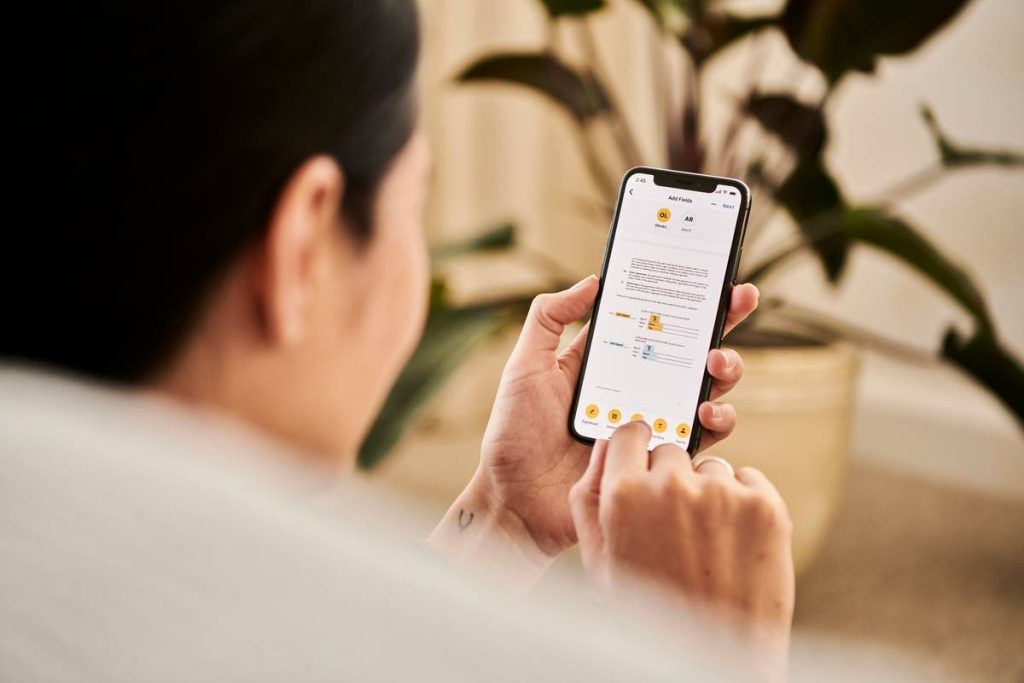
Forget sticky notes, color-coded planners, or “just try harder.” If you have ADHD, traditional productivity methods often backfire—creating guilt, not results. The real issue isn’t laziness—it’s mismatched tools. Enter the adhd task system app: a digital ally designed for your neurology, not against it.
Why Standard Productivity Systems Fail People With ADHD
Most task managers assume linear thinking. They reward consistency, long-term planning, and emotional neutrality—all things ADHD brains wrestle with daily. And that’s not a flaw—it’s biology. Dopamine-driven motivation means urgency trumps importance, novelty beats repetition, and context-switching feels like oxygen.
So when an app demands daily reviews, rigid categories, or endless subtasks? It becomes another source of cognitive load—not relief.
Building Your ADHD-Friendly Task System: A Step-by-Step Guide
The goal isn’t to mimic neurotypical workflows. It’s to engineer a system that works with your brain’s wiring. Start here:
Pick One Anchor App—Not Five
App-hopping is seductive but self-sabotaging. Choose a single adhd task system app that nails three things: visual simplicity, frictionless capture, and built-in urgency triggers.
Design for “Now,” Not “Someday”
ADHD time perception distorts future tasks into abstract noise. Only keep what’s actionable in the next 24–48 hours on your main screen. Archive the rest.
Embed Micro-Rewards Into Completion
Finished a 2-minute task? The app should celebrate it—not silently check a box. Sound cues, confetti bursts, or even points systems feed the dopamine loop you need.
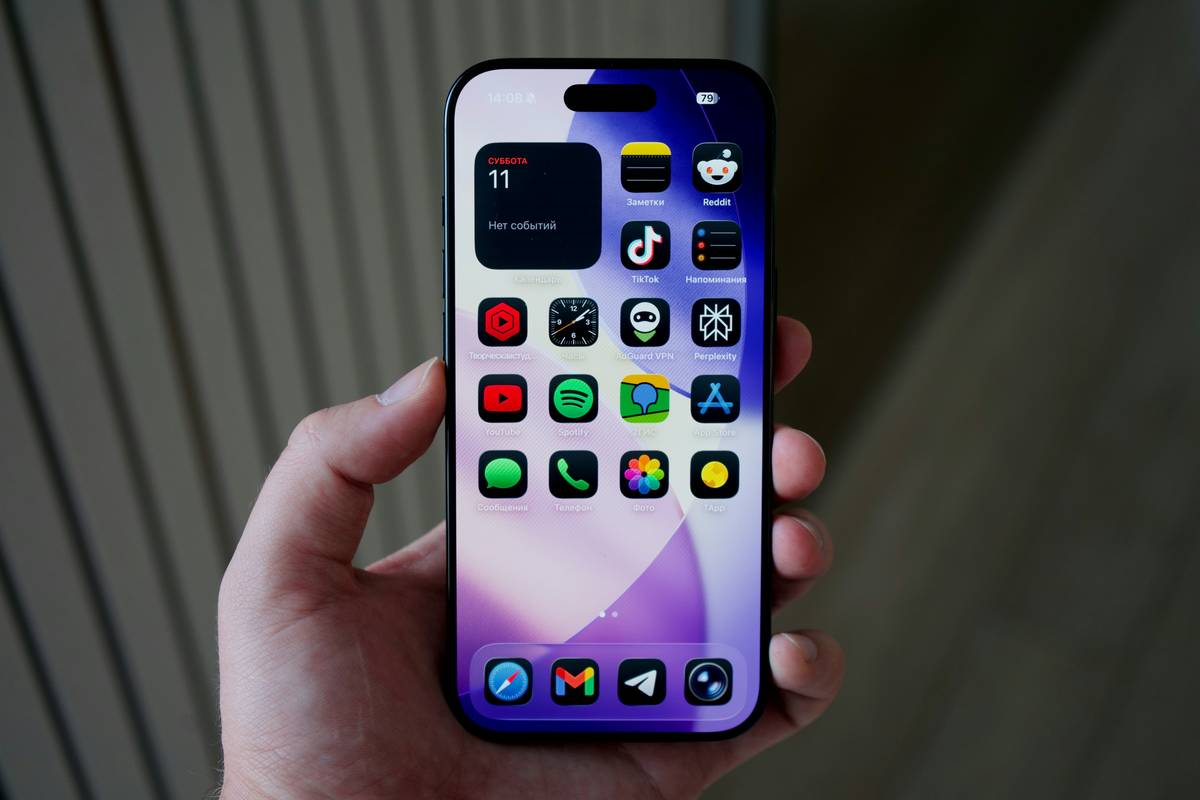
| Feature | Generic To-Do Apps | True ADHD Task System App |
|---|---|---|
| Task Capture | Manual entry, folders, tags | Voice-to-task in one tap; no categorization needed |
| Prioritization | User assigns priority levels | Auto-sorts by deadline + energy required (low/med/high) |
| Motivation Engine | Static checklist | Game-like streaks, sound feedback, micro-rewards |
| Overwhelm Guardrails | Unlimited tasks visible | Hides non-urgent tasks; caps daily visible items |
The Industry Secret: Most ADHD Apps Are Built by People Without ADHD
Here’s what no one admits: many so-called “ADHD-friendly” apps are designed by well-meaning developers who read a blog post about executive dysfunction. Real insight comes from lived experience—or deep collaboration with neurodivergent users.
I’ve watched teams build features like “focus timers” that lock you out of your phone—ignoring that many with ADHD use their phones as lifelines during emotional dysregulation. The best adhd task system app isn’t minimalist. It’s *adaptive*. It bends when you’re overwhelmed and pushes gently when you’re in flow.
And yes—some top-rated apps actually worsen anxiety by over-emphasizing completion rates. Avoid any tool that makes you feel broken for missing a day.
Frequently Asked Questions
Can an ADHD task app replace medication or therapy?
No. It’s a behavioral scaffold—not a clinical intervention. Use it alongside professional care, not instead of it.
How do I know if an app is truly ADHD-optimized?
Test this: Can you add a task in under 3 seconds while emotionally flooded? If not, it’s not built for real ADHD moments.
Are free ADHD apps worth using?
Sometimes—but free versions often lack core features like urgency-based sorting or sensory feedback, which are non-negotiable for effectiveness.